
Why Gynecomastia Surgery Before and After Pics Matter
Gynecomastia surgery before and after pics are the most valuable tool for understanding what male breast reduction can achieve. If you’re considering this procedure, these images offer a clear, visual answer to your most pressing question: “What will my results look like?”
What You’ll See in Gynecomastia Before and After Photos:
- Chest Flatness – A more masculine, contoured appearance
- Reduced Breast Tissue – Elimination of puffiness and swelling
- Improved Nipple Position – Better proportion and placement
- Minimal Scarring – Discreet incision lines that fade over time
- Improved Confidence – The visible change that changes lives
Gynecomastia, or enlarged male breast tissue, affects men of all ages. For some, it begins during puberty and never resolves. For others, it develops later due to weight changes, medications, or hormonal shifts. Regardless of the cause, the emotional impact is real. Many men describe years of embarrassment, avoiding the beach, gym locker rooms, or intimate situations.
Before and after photos showcase the dramatic change possible through surgery. These aren’t just clinical images—they represent restored confidence and the freedom to live without self-consciousness about your chest appearance.
I’m Dr. Allen Rosen, a board-certified plastic surgeon who has been helping New Jersey men achieve natural, masculine chest contours for over two decades. Throughout my career, I’ve guided hundreds of patients through their gynecomastia surgery journey, and reviewing gynecomastia surgery before and after pics during consultations has proven essential for setting realistic expectations and demonstrating the life-changing results this procedure offers.
I am also proud to partner with Dr. Alaza and Dr. Cece, well-known as top breast surgeons.

Understanding the Change: A Guide to Gynecomastia Surgery Before and After Pics
The decision to undergo any cosmetic procedure is significant, and for men considering male breast reduction, seeing is truly believing. This is why gynecomastia surgery before and after pics are not just a gallery of results, but a crucial educational tool. They help us, as your plastic surgeons, to illustrate the potential outcomes and for you, as a prospective patient, to set realistic expectations and visualize your own change.
When we talk about gynecomastia, we’re referring to the overdevelopment or enlargement of breast tissue in men. This can be due to an excess of glandular tissue, fatty tissue, or a combination of both. Understanding the underlying cause is key to determining the most effective surgical approach, and before and after photos often reflect the specific techniques used to address these different types of gynecomastia. For more detailed information, we offer a comprehensive guide on gynecomastia types, causes, and treatments.
Visualizing potential outcomes is one of the primary benefits of reviewing these images. While every patient is unique, seeing a range of results helps you understand the scope of what’s possible. From subtle contouring to significant male breast reduction, these photos demonstrate how surgery can create a firmer, flatter, and more masculine chest. It’s a journey towards restoring confidence and achieving a physique that aligns with your self-image. Before and after photos are crucial for patients to visualize potential results and understand the impact of gynecomastia surgery. They effectively showcase a range of results, from moderate to significant improvements in chest appearance, making the effectiveness of the surgery evident through visual comparisons.
Our Patient Gallery: Real Results, Real Confidence
At The Plastic Surgery Group of New Jersey, we are proud to share the changes of our patients from Montclair, Livingston, and the greater New Jersey and New York City areas. Our gallery of gynecomastia surgery before and after pics is more than just a collection of images; it represents the courage of individuals who have chosen to address their concerns and the expertise of our surgeons, Dr. Rosen and Dr. Ablaza.
We approach each patient as a unique case study, understanding their personal journey and goals. Many of our patients come to us with adolescent gynecomastia, a condition that can cause significant embarrassment during formative years. Others experience adult-onset gynecomastia, which might develop later in life due to hormonal changes or medication. We also see patients who have achieved significant weight loss but are left with persistent breast tissue that diet and exercise couldn’t resolve. For these individuals, surgery is often the final step in their change.
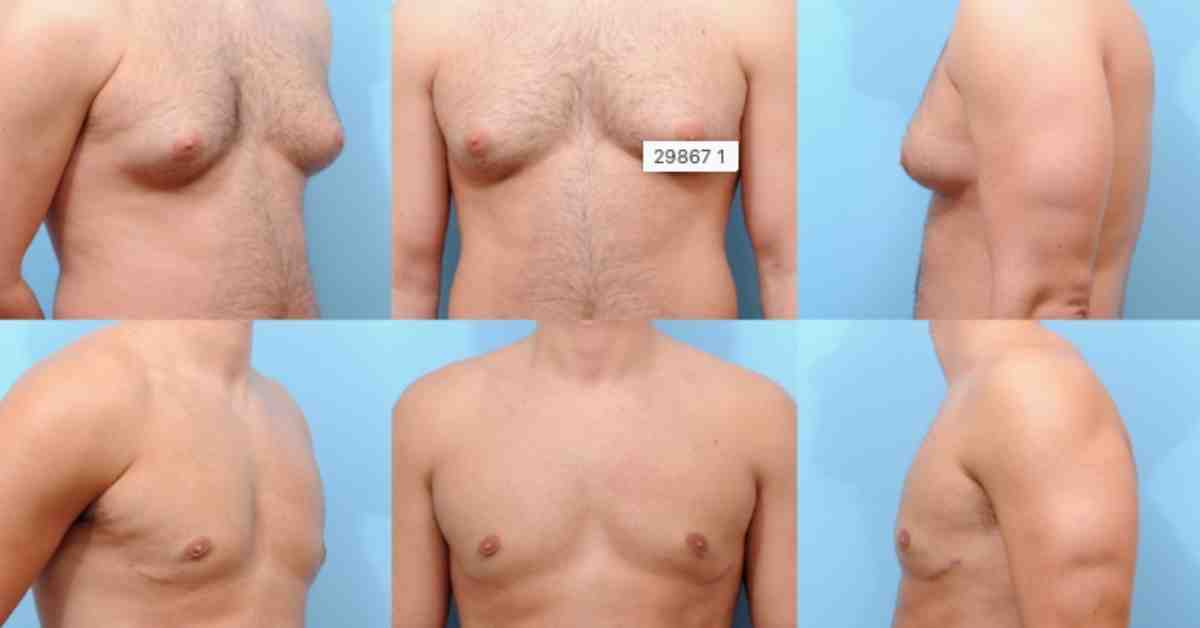
Our Before and After: Gynecomastia gallery showcases these diverse experiences. You’ll see men of various ages and body types, each with a unique story and a common desire for a more masculine chest contour. The visual evidence provided by before and after pictures is a key factor in patient decision-making for gynecomastia surgery, offering a glimpse into the life-changing results.
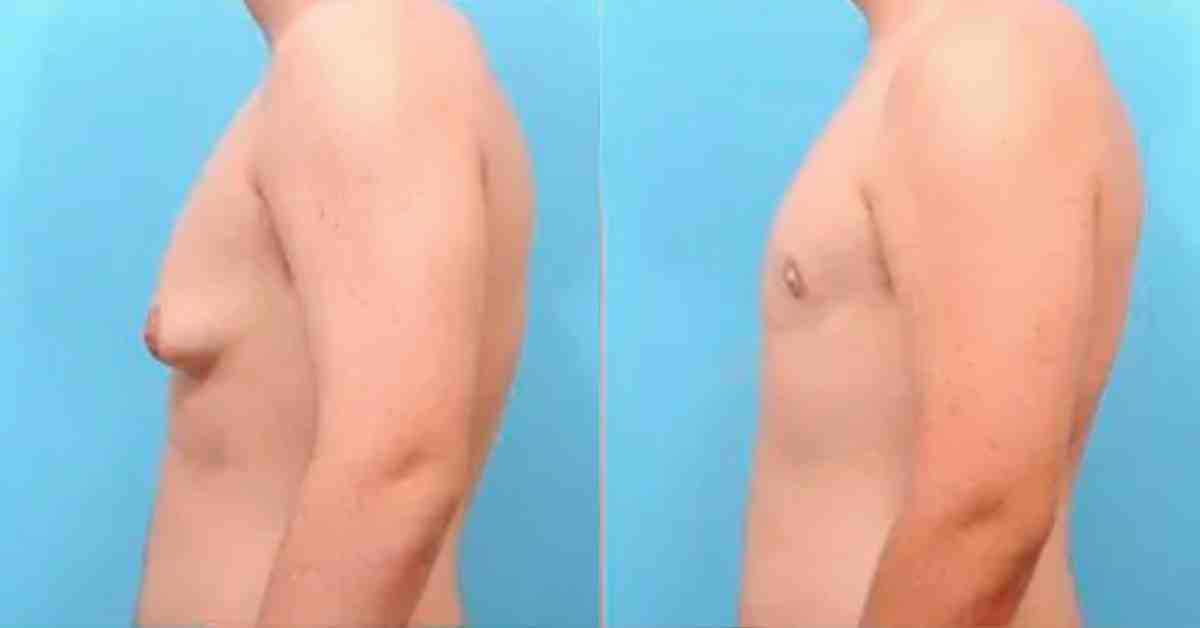
What to Look For in Gynecomastia Surgery Before and After Pics
When you explore gynecomastia surgery before and after pics, it’s important to know what details to focus on to accurately assess the results. This isn’t just about a general improvement; it’s about specific aspects of chest contouring that contribute to a natural and aesthetically pleasing outcome.
- Chest Flatness: This is often the primary goal. Look for a significant reduction in the projection of the breast area, resulting in a flatter, more defined chest wall. The goal is to eliminate the “puffy” or “rounded” appearance.
- Nipple and Areola Size and Position: Gynecomastia can stretch the nipple and areola, making them appear larger and lower. Successful surgery often involves reducing the areola size and repositioning the nipple to a more appropriate, masculine location.
- Scar Placement: While incision lines are permanent, skilled surgeons strive to make them as discreet as possible. Often, a periareolar incision (made around the edge of the areola) is used, which helps camouflage the scar within the natural pigmentation changes of the skin. For larger cases, other incision patterns may be necessary, but a good surgeon will always prioritize minimal visibility.
- Skin Tightness: After removing excess tissue and fat, the skin needs to redrape smoothly. In some cases, particularly with significant tissue removal or in older patients, skin laxity can be a concern. Before and after photos can show how well the skin has tightened or if additional skin removal techniques were employed to achieve optimal contour.
- Symmetry: Achieving a symmetrical chest is crucial for a balanced aesthetic. Look for consistency in contour and nipple position between both sides of the chest.
- Natural-Looking Contour: The ultimate goal is a chest that appears naturally masculine, not surgically altered. This means a smooth transition from the chest to the shoulders and abdomen, without unnatural depressions or bulges.
By focusing on these details, you can gain a deeper understanding of the quality of results and what you can realistically expect from your own procedure.
The Surgical Journey to a Flatter, Firmer Chest
The path to a flatter, more masculine chest involves a personalized surgical approach custom to your unique anatomy and goals. Our experienced surgeons, Dr. Rosen and Dr. Ablaza, use advanced techniques to ensure optimal outcomes for our patients in Montclair and those traveling from nearby cities of Livingston, West Orange and nearby Manhattan. The procedure can involve removing excess glandular tissue, fat, and skin to create a firmer, flatter chest. The primary surgical options for treating gynecomastia typically include:
- Liposuction: If your gynecomastia is primarily due to excess fatty tissue (pseudogynecomastia), liposuction alone may be sufficient. This involves inserting a thin tube (cannula) through small incisions and suctioning out the fat. This technique is often used to sculpt the chest and flanks for a more defined appearance.
- Glandular Tissue Excision: When the enlargement is due to excess glandular tissue, surgical excision is necessary. This involves carefully cutting out the glandular tissue. This procedure is usually performed through a small incision, often placed around the border of the areola (periareolar incision) to minimize visible scarring. In some cases, a small amount of skin may also be removed.
- Combination Procedures: Most commonly, a combination of both liposuction and glandular excision is performed to achieve the best results, especially when both fat and glandular tissue contribute to the enlarged appearance. This comprehensive approach allows for precise contouring and ensures a smooth, natural outcome.
The choice of anesthesia, typically general anesthesia or local anesthesia with sedation, will be discussed during your consultation. Incision strategies are carefully planned to minimize visibility. As noted in the research, incision lines are permanent but will continue to fade over time, and a skilled surgeon will often conceal them within natural contours, such as the edge of the areola.
Our comprehensive Gynecomastia Surgery services are designed to address your specific needs and deliver the refined results you desire.
Who is an Ideal Candidate for Surgery?
Deciding whether gynecomastia surgery is right for you involves a thorough evaluation of several factors beyond just the physical appearance of your chest. We look for candidates who are not only physically suitable but also psychologically prepared for the journey.
A good candidate for gynecomastia surgery typically meets the following criteria:
- Stable Weight: Ideal candidates are at or near their ideal body weight. Significant weight fluctuations after surgery can compromise the results, as new weight gain could lead to a recurrence of fatty tissue in the chest area.
- Good Health: You should be in good general health, without active diseases or serious pre-existing medical conditions that could impair healing or increase surgical risks.
- Non-Smoker: Smoking significantly impacts circulation and healing, increasing the risk of complications. We typically require patients to stop smoking several weeks before and after surgery.
- Realistic Goals: It’s crucial to have a clear understanding of what surgery can achieve. While results can be transformative, perfection is not guaranteed. We use gynecomastia surgery before and after pics to help set these expectations.
- Failure of Diet and Exercise: Many men attempt to reduce their breast size through diet and exercise. If these conservative measures have not yielded satisfactory results, surgery becomes a viable option. As one patient in our research noted, despite weight loss, his chest remained the same, leading him to seek surgical intervention. For more insights on the role of exercise, you can read our article, Can Exercise Help Gynecomastia?.
- Psychological Distress: Often, the emotional burden of gynecomastia is a primary motivator. Candidates who experience significant self-consciousness, embarrassment, or anxiety due to their enlarged breasts are often excellent candidates, as surgery can lead to a profound improvement in self-esteem. Patients often seek gynecomastia surgery to improve self-esteem and address concerns about their physical appearance.
We understand that seeking cosmetic procedures can be a deeply personal decision, and we are committed to helping men in New Jersey, New York City and throughout the 5 burroughs achieve their aesthetic goals. Learn more about cosmetic procedures for men offered at our practice.
Recovery and Long-Term Results
Understanding the recovery process and the longevity of your results is just as important as viewing gynecomastia surgery before and after pics. While the initial change is often immediate, patience is key as your body heals and the final contours emerge.
What to Expect During Recovery:
- Initial Recovery: Recovery time for gynecomastia surgery is typically around two weeks, allowing patients to return to normal activities relatively quickly. Immediately after surgery, you will experience some swelling, bruising, and discomfort, which can be managed with prescribed medication.
- Compression Garments: You will be required to wear a compression garment for several weeks. This garment helps to reduce swelling, promote skin redraping, and support the new chest contour.
- Activity Restrictions: Strenuous activities, heavy lifting, and intense exercise will be restricted for a few weeks to prevent complications and ensure proper healing.
- Swelling Reduction: While you’ll see an immediate improvement, significant swelling will gradually subside over the first few weeks to months. Most of the swelling typically resolves within 3-6 months.
- Scar Maturation: Incision lines are permanent, but they will mature and fade over time. In the first few months, scars may appear red or raised, but they will typically flatten and lighten, often becoming barely noticeable, especially if placed strategically (e.g., periareolar incision).
Long-Term Results:
The long-term results of gynecomastia surgery are generally excellent and highly satisfying for patients. Once the excess glandular tissue is removed, it does not typically regrow. This means the results are considered permanent. However, maintaining these results requires a commitment to a stable lifestyle. Significant weight gain after surgery can cause new fatty deposits to accumulate in the chest area, potentially diminishing the surgical outcome. Hormonal changes, though less common, can also influence the appearance of the chest over time. By maintaining a healthy weight and lifestyle, you can enjoy your flatter, more masculine chest for many years to come.
We invite you to explore our gynecomastia before and after gallery to see the lasting changes our patients have experienced.
Frequently Asked Questions About Gynecomastia Surgery
We understand you have many questions about gynecomastia surgery, and we’re here to provide clear, comprehensive answers to help you make informed decisions.
How much does gynecomastia surgery cost?
The cost of gynecomastia surgery can vary significantly based on several factors, and it’s an important consideration for many patients. We believe in transparency and will provide a detailed estimate during your consultation at our Montclair office. Generally, the total cost will include:
- Surgeon’s Fee: This is the fee for the plastic surgeon’s expertise and time. It reflects their experience, reputation, and the complexity of your specific case.
- Anesthesia Costs: The fees for the anesthesiologist and the type of anesthesia used (general or local with sedation).
- Facility Fees: Charges for the use of the surgical facility, which covers the operating room, nursing staff, and necessary equipment.
- Procedure Complexity: The extent of the surgery, whether it involves liposuction, glandular excision, or both, and the amount of tissue to be removed will influence the overall cost.
- Post-Operative Garments and Medications: Costs for compression garments and any prescribed pain medication.
Gynecomastia surgery is typically considered an elective cosmetic procedure, and as such, insurance coverage rarely applies. We recommend discussing financing options during your consultation to explore payment plans or medical financing solutions.
What are the potential risks of gynecomastia surgery?
As with any surgical procedure, gynecomastia surgery carries potential risks and complications. While serious complications are rare, we believe in fully informing our patients from New Jersey, New York City and beyond about all possibilities. Our board-certified surgeons, Dr. Rosen and Dr. Ablaza, take every precaution to minimize these risks.
Potential risks and complications include:
- Asymmetry: Despite careful planning, some degree of asymmetry between the two sides of the chest can occur.
- Scarring: While efforts are made to place incisions discreetly, all surgery results in permanent scars. These will fade over time but will always be present.
- Changes in Nipple Sensation: Some patients may experience temporary or, in rare cases, permanent changes in nipple sensation, including numbness or increased sensitivity.
- Hematoma or Seroma: These are collections of blood (hematoma) or fluid (seroma) under the skin, which may require drainage.
- Infection: Although uncommon, infection can occur and is typically treated with antibiotics.
- Unfavorable Healing: Poor wound healing can lead to widened or thickened scars.
- Skin Irregularities or Discoloration: The skin over the treated area may appear uneven or discolored.
- Deep Vein Thrombosis (DVT) and Cardiac/Pulmonary Complications: These are rare but serious risks associated with any surgery.
Choosing a qualified, board-certified plastic surgeon is paramount to minimizing these risks. We invite you to learn more about our surgeons and their commitment to patient safety and excellent outcomes.
Will gynecomastia come back after surgery?
One of the most common questions we hear from patients reviewing gynecomastia surgery before and after pics is whether the condition will return. The good news is that for most patients, the results of gynecomastia surgery are permanent.
When the excess glandular tissue is surgically removed, it is gone for good and does not regrow. This is a key difference from just losing weight, which only reduces fatty tissue and may not fully address the glandular component.
However, there are a few factors that could potentially impact the long-term appearance of your chest:
- Significant Weight Gain: While glandular tissue doesn’t return, substantial weight gain after surgery can cause new fatty deposits to accumulate in the chest area, potentially recreating a “breast-like” appearance. This is why we emphasize maintaining a stable weight post-surgery.
- Hormonal Changes: In rare cases, new hormonal imbalances (e.g., from certain medications, medical conditions, or drug use) could stimulate the remaining fat cells or, if a minimal amount of glandular tissue was left for contour, cause some slight re-enlargement. This is uncommon but possible.
- Maintaining a Stable Lifestyle: A healthy lifestyle, including a balanced diet and regular exercise, is crucial for preserving your surgical results and overall well-being.
By choosing an experienced surgeon and committing to a healthy lifestyle, you can confidently enjoy the lasting benefits of your gynecomastia surgery.
Begin Your Change in New Jersey
We hope this guide and our insights into gynecomastia surgery before and after pics have provided you with a clear understanding of what this transformative procedure can achieve. The journey to a flatter, more masculine chest is one that profoundly impacts self-esteem and quality of life. Our patients consistently tell us how much they appreciate the improved confidence and the freedom to wear what they want and participate in activities they once avoided.
At The Plastic Surgery Group of New Jersey, our expert surgeons, Dr. Rosen and Dr. Ablaza, are dedicated to delivering natural, beautiful results in a state-of-the-art facility. We pride ourselves on providing an ultimate body change experience for men throughout Montclair, Livingston, and the wider New Jersey and New York City areas.
If you’re ready to take the next step towards a more confident you, we invite you to connect with us. Let us help you achieve the masculine chest contour you desire.
Schedule your gynecomastia surgery consultation with The Plastic Surgery Group of New Jersey today.


