
Understanding Liposuction: A Body Contouring Solution
Liposuction surgery is a body contouring procedure that removes stubborn fat deposits from specific areas of your body. If you’re wondering what this surgery entails, here’s what you need to know:
What Liposuction Does:
- Removes localized fat deposits that resist diet and exercise
- Contours areas like abdomen, thighs, hips, arms, chin, and back
- Uses a thin tube (cannula) and suction to extract fat cells
- Performed under local or general anesthesia
What Liposuction Is NOT:
- Not a weight-loss method or obesity treatment
- Not effective for cellulite or loose skin
- Not a substitute for healthy lifestyle habits
Ideal Candidates:
- Within 30% of their ideal weight
- Have firm, elastic skin
- Are in good overall health
- Have realistic expectations
You’ve likely tried countless workouts and diets, only to find that certain areas of your body won’t budge. Maybe it’s love handles, a stubborn belly pouch, or thigh fat that seems permanently attached. As one patient shared in their testimonial, liposuction helped them “achieve balance in a physical sense, as well as in an emotional sense.”
Liposuction is the most common cosmetic surgery in the United States, surpassing even breast augmentation since 2015. It’s also known as lipoplasty or simply “lipo” among patients. The procedure works by permanently removing fat cells from targeted areas, improving your body’s contours and proportions.
I’m Dr. Allen Rosen, and for over two decades I’ve been performing liposuction surgery for patients throughout New Jersey, serving as Assistant Clinical Professor in the Department of Plastic Surgery at UMDNJ and a distinguished spokesperson for the American Society of Plastic Surgery. My goal is to help you understand every aspect of this transformative procedure so you can make an informed decision about whether it’s right for you.

Are You a Good Candidate for Liposuction?
We often meet individuals who are frustrated by localized fat pockets that simply won’t respond to their best efforts in diet and exercise. If you’re considering liposuction surgery, you’re not alone. It’s one of the most sought-after body contouring procedures available today. But who exactly is a good candidate, and what can you realistically expect?
Who is a good candidate for liposuction surgery?
At The Plastic Surgery Group of New Jersey, we look for several key indicators to determine if liposuction surgery is right for you. Ideal candidates are typically:
- Within 30% of their ideal weight: This isn’t a weight-loss solution, but rather a body contouring tool. It’s most effective for individuals who are already close to their target weight but struggle with stubborn fat deposits.
- Have firm, elastic skin and good muscle tone: Excellent skin elasticity is crucial for optimal results. Your skin needs to be able to conform to your new contours once the fat is removed. If your skin is thin or lacks elasticity, it may appear loose after the procedure.
- In good overall health: We ensure you don’t have any life-threatening illnesses or medical conditions that could impair healing or increase surgical risks. Conditions like blood flow problems, coronary artery disease, diabetes, or a weak immune system can make surgery more difficult.
- Non-smokers or non-vapers: Smoking can significantly hinder the healing process, so we require patients to stop weeks or even months before surgery.
- Possess a positive outlook and specific, realistic goals for body contouring: It’s important to have a clear vision of what you hope to achieve, understanding both the benefits and limitations of the procedure. We encourage you to do this for yourself, not to fulfill someone else’s desires or to try to fit any sort of ideal image.
For more detailed information on who makes a good candidate, you can refer to resources like the Liposuction Candidates page.
What Liposuction Can and Cannot Do
It’s vital to have a clear understanding of what liposuction surgery can and cannot accomplish. This isn’t a magic wand, but a powerful tool for specific body contouring goals.

What Liposuction Can Do:
- Remove localized fat deposits: It excels at targeting stubborn fat in areas like the abdomen and waist, back, calves and ankles, chest area, face, cheeks, chin and neck, hips and buttocks, inner knee, thighs, and upper arms.
- Improve body contours and proportion: By selectively removing fat, we can sculpt and reshape your body, creating a more harmonious silhouette.
- Treat certain medical conditions: While often cosmetic, liposuction can be medically necessary for conditions such as lipedema (a chronic fat disorder) and lymphedema (swelling due to lymphatic system issues). In some cases, claims for reconstructive liposuction for these conditions can be reimbursed by insurance upon appeal, if medical necessity is well-documented. It can also be used to remove lipomas (benign fatty tumors) or address gynecomastia (enlarged male breast tissue). In fact, studies have shown long-term benefits of liposuction for patients with lipedema, significantly improving their quality of life.
- Provide fat for transfer: The fat removed during liposuction can sometimes be processed and reinjected into other areas of the body, such as the buttocks, breasts, or face, for volume improvement.
What Liposuction Cannot Do:
- Serve as a weight-loss method or obesity treatment: Liposuction surgery is not a cure for obesity and does not lead to dramatic weight loss. It’s for reshaping, not for shedding significant pounds. Evidence suggests it does not have a long-term effect on weight beyond a couple of months and does not appear to affect obesity-related problems. After a few months, overall body fat generally returns to the same level as before treatment, with most increased fat occurring in the abdominal area.
- Eliminate cellulite or stretch marks: Liposuction specifically targets fat cells, but it cannot improve the dimpled appearance of cellulite or the texture of stretch marks.
- Tighten loose or sagging skin: If you have significant skin laxity, especially after substantial weight loss, liposuction alone may not be sufficient. In such cases, procedures like a tummy tuck or body lift might be more appropriate. You can learn more about the differences between these procedures on our Liposuction vs. Tummy Tuck page.
- Prevent future weight gain: While the fat cells removed are gone permanently, the remaining fat cells in your body can still expand if you gain weight. Maintaining a stable weight and healthy lifestyle is key to preserving your results.
For those not ready for surgery, non-surgical alternatives like CoolSculpting® (which uses freezing temperatures to target fat cells) or Belkyra® (an injectable for double chin fat reduction) exist, though their results are typically less dramatic than liposuction surgery. For those considering major body changes after significant weight loss, we also offer comprehensive Body Contouring After Weight Loss solutions.
Your Guide to Liposuction Surgery: Procedure, Recovery, and Results
Starting on a liposuction surgery journey with us means you’ll be guided through every step, from initial consultation to your final, stunning results. Our highly regarded, experienced plastic surgeons, Dr. Rosen and Dr. Ablaza, use state-of-the-art techniques to deliver natural, beautiful outcomes.
The Different Techniques of Liposuction
The evolution of liposuction surgery has been quite a journey, from early, less refined attempts in the 1920s to the sophisticated methods we use today. For instance, the pioneering work of Jeffrey A. Klein in tumescent liposuction revolutionized the field, making the procedure safer and more effective. Today, various techniques are available, each with its unique advantages.
Here’s a look at the main techniques:
| Technique | Mechanism | Best For | |
|---|---|---|---|
| Traditional Liposuction (Suction-Assisted Liposuction, SAL) | Manual removal of fat using a cannula connected to a vacuum pump after injecting tumescent fluid. | Areas with localized fat deposits and good skin elasticity. | |
| Tumescent Liposuction (TLA) | Involves injecting a large volume of dilute solution (saline, lidocaine, epinephrine) into the fat, making it swollen and firm, before traditional suction. Invented by Dr. Jeffrey A. Klein. | Most common type. Minimizes blood loss, reduces post-surgical pain. Good for significant fat reduction in larger areas. | |
| Ultrasound-Assisted Liposuction (UAL / VASER Liposuction) | Uses ultrasonic energy to liquefy fat cells, making them easier to remove. VASER is a specific type of UAL that uses ultrasound waves to break up fat cells while sparing other tissues. | Areas with dense or fibrous fat, like male breasts or love handles. Can improve skin shaping. | |
| Power-Assisted Liposuction (PAL) | Employs a vibrating cannula that oscillates rapidly to break up fat cells, making removal quicker and easier. | Large volumes of fat, dense fat, or secondary liposuction procedures. Potentially causes less pain and swelling. | |
| Laser-Assisted Liposuction (LAL / Smartlipo™ / SlimLipo™) | Uses laser energy to liquefy fat cells before suction. Heat from the laser can also stimulate collagen production, potentially leading to some skin tightening. | Smaller, confined areas like the chin, jowls, or inner thighs. | |
| Water-Jet Assisted Liposuction (WAL) | Uses a fan-shaped jet of pressurized saline solution to gently dislodge fat cells, which are then suctioned away. | Delicate areas or for patients with lipedema. Can be lymph-sparing. | |
| Fibro-Lipo-Lymph-Aspiration (FLLA) | A specialized technique used for treating advanced lymphedema, focusing on lymph vessel sparing. | Patients with lymphedema. |
A note on technique evolution: The techniques have advanced significantly since the early days. For example, some surgeons debate whether to leave incisions open to drain fluid or partially suture them, reflecting ongoing refinements in aftercare. You can read more about the journey through liposuction and liposculture in this review.
Preparing for Your Procedure
Proper preparation is a cornerstone of a successful liposuction surgery experience. We’ll provide you with detailed instructions, but here’s a general overview of what you can expect:
- Comprehensive Medical Evaluation: We’ll conduct a thorough review of your medical history, including any existing conditions (like heart problems, high blood pressure, diabetes, or allergies) and all medications, supplements, and herbs you are currently taking. This helps us ensure your safety and tailor the procedure to your needs.
- Lab Testing: You’ll likely undergo various lab tests, such as blood and urine samples, to confirm your health status.
- Stop Smoking: If you smoke or vape, we’ll ask you to quit several weeks or even months before your surgery. This is critical for optimal healing and reducing complications.
- Avoid Certain Medications: You’ll need to stop taking blood thinners, NSAIDs (like aspirin or ibuprofen), and certain vitamins and supplements at least a week before surgery, as these can increase bleeding risks.
- Dietary and Alcohol Restrictions: We’ll provide specific guidelines regarding food and drink leading up to your procedure. You’ll need to avoid alcohol for at least seven days before surgery.
- Arrange for Post-Op Care: You must arrange for someone to drive you home after surgery and ideally stay with you for at least the first night to assist with your initial recovery.
- Comfort is Key: On the day of surgery, wear loose, comfortable clothing that won’t cause friction over the treatment areas.
Recovery and Expected Results
The journey doesn’t end when the liposuction surgery is complete; recovery is an integral part of achieving your desired outcome.
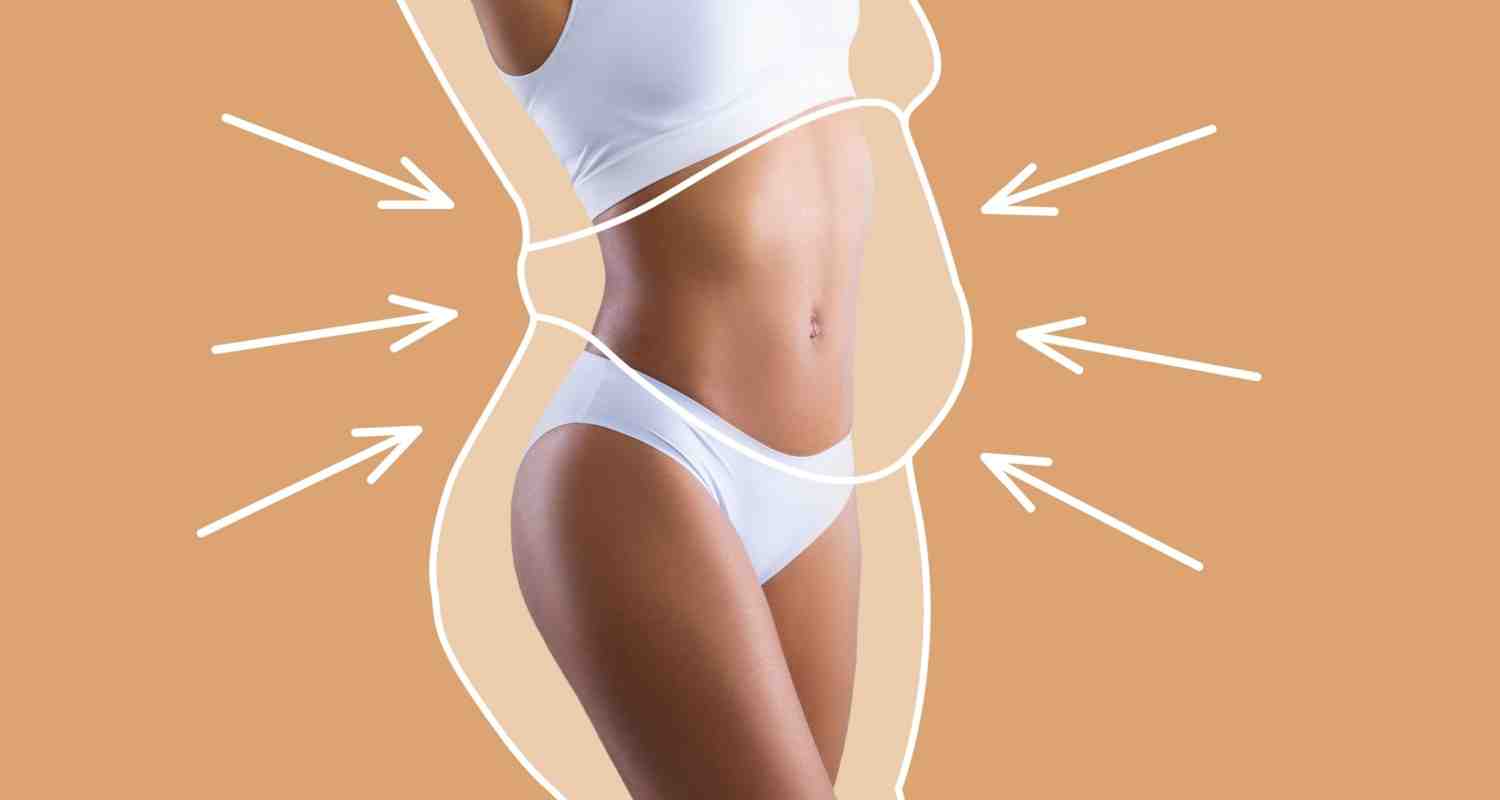
Immediately after your procedure, you’ll likely experience some discomfort. This might include:
- Swelling and Bruising: These are very common and expected. Bruising typically begins to fade within 7 to 10 days, while swelling can take 4 to 6 weeks to largely subside. Some residual swelling, however, can persist for up to 4 months.
- Soreness and Pain: You might feel tenderness or soreness, often described as a “burning sensation,” for a couple of days. We will prescribe appropriate pain medication to manage this discomfort.
- Compression Garments: You’ll be fitted with a compression garment, which is vital for reducing swelling, helping your skin adapt to its new contours, and promoting proper healing. You’ll typically need to wear this garment for 4 to 6 weeks.
- Drainage Tubes: In some cases, small drainage tubes may be inserted temporarily to prevent fluid buildup.
Returning to Activity:
- Light Activity: We encourage you to walk as soon as possible after surgery to help prevent blood clots.
- Return to Work: Most patients can return to work within 5 to 7 days, though some may need up to two weeks, depending on the extent of their procedure and the nature of their job.
- Resuming Normal Activities: You should avoid bending over, lifting, or straining during the first two weeks. Strenuous exercise should be avoided for 4 to 6 weeks. We’ll advise you on when it’s safe to resume your full activity level.
- Sun Exposure: Wait at least 6 weeks before exposing treated areas to direct sun or heat to prevent further swelling.
Expected Results and Longevity:
You’ll start to see improvements in your body contour as the initial swelling subsides. However, the full, final results of your liposuction surgery may take 4 to 6 months to become completely apparent. The great news is that the fat cells removed during liposuction surgery are permanently gone. This means that the changes to your body shape are generally long-lasting, provided you maintain a stable weight. If you gain a significant amount of weight after the procedure, the remaining fat cells in your body can still grow, potentially diminishing your results or causing fat to accumulate in untreated areas.
To see the incredible changes our patients have experienced, we invite you to View our Before and After Liposuction gallery.
Understanding the Risks, Costs, and Choosing a Surgeon
As with any surgical procedure, liposuction surgery comes with potential risks and costs. Our commitment at The Plastic Surgery Group of New Jersey is to ensure you are fully informed and confident in your decisions.
Potential Risks and Side Effects
While liposuction surgery is generally safe when performed by a qualified surgeon, be aware of the potential risks and complications. In a 2015 study, 1.5% of patients experienced a postoperative complication. More concerning statistics indicate that deaths were reported to occur in about one per ten thousand cases as of 2011. Furthermore, recent data from 2009–2022 highlighted 93 U.S. citizens dying after cosmetic surgery in the Dominican Republic, with 90% of autopsy-confirmed deaths due to embolism. This underscores the critical importance of choosing a board-certified surgeon in a reputable facility, especially for procedures like liposuction surgery.
Potential risks and side effects include:
- Contour Irregularities: Uneven fat removal can lead to wavy or bumpy skin. About 20% of patients may experience deformities in body shape at the liposuction site.
- Numbness: Temporary numbness in the treated areas is common, but it can sometimes be persistent or even permanent.
- Infection: Though rare, infection is a possibility at the incision sites.
- Fluid Buildup (Seroma): Pockets of fluid may collect under the skin. A 1977 study noted a 4.9% incidence of seromas, with 2% developing pseudocysts requiring removal.
- Internal Puncture: In rare cases, the cannula can accidentally puncture an internal organ.
- Fat Embolism: This is a serious, life-threatening complication where pieces of fat break away and travel to the lungs or brain, causing blockages. This is why the statistics from medical tourism are so alarming.
- Anesthesia Risks: Adverse reactions to anesthesia can occur.
- Lidocaine Toxicity: If tumescent fluid is used, too much lidocaine can lead to serious heart and central nervous system problems.
- Kidney, Heart, and Lung Problems: Changes in fluid levels during or after the procedure can affect these vital organs.
- Scarring: Small, inconspicuous scars will remain at the incision sites.
- Skin Discoloration: The treated area may experience temporary or permanent changes in skin color.
The risk of complications increases with larger volumes of fat removed or if multiple procedures are performed simultaneously. We prioritize patient safety above all else, adhering to stringent safety protocols. For further reading, an Evidence-Based Patient Safety Advisory: Liposuction is available, as well as a study on unfavourable outcomes of liposuction.
What are the costs associated with liposuction surgery?
The cost of liposuction surgery can vary significantly based on several factors, and it’s important to understand these before committing to the procedure. Most health insurance plans do not cover liposuction surgery when performed for purely cosmetic reasons.
Factors influencing the price include:
- Surgeon’s Fee: This is based on the surgeon’s experience, reputation, and the complexity of your case.
- Anesthesia Fees: These depend on the type of anesthesia used (local, sedation, or general) and the duration of the procedure.
- Facility Costs: The cost of using the surgical facility (operating room, recovery area).
- Pre- and Post-Surgery Garments: Compression garments are a necessary part of recovery.
- Medication Costs: Prescriptions for pain relief and antibiotics.
- Medical Tests: Any required lab work before the procedure.
- Geographic Location: Costs can vary between different areas. In New Jersey and New York City, for instance, prices might differ based on local market rates and overheads.
- Number and Size of Treated Areas: Removing fat from multiple or larger areas will naturally increase the overall cost.
- Type of Liposuction Technique: Some advanced techniques may have higher associated costs.
During your consultation at The Plastic Surgery Group of New Jersey, we’ll provide you with a detailed and transparent breakdown of all anticipated costs.
How to Choose a Qualified Plastic Surgeon
Choosing the right plastic surgeon is perhaps the most critical decision you’ll make when considering liposuction surgery. Your safety, results, and overall experience depend heavily on their expertise.
Here’s what to look for:
- Board Certification: Always choose a surgeon who is certified by the American Board of Plastic Surgery. This signifies they have met rigorous standards for training, knowledge, and experience in plastic surgery.
- ASPS Membership: Membership in the American Society of Plastic Surgeons (ASPS) indicates a commitment to ethical practice and ongoing education. You can use their “Find a Plastic Surgeon” tool at Find a Plastic Surgeon.
- Experience: Ask about their specific experience with liposuction surgery. How long have they been practicing? How many liposuction procedures do they perform regularly? Continuous experience allows surgeons to maintain techniques and gain invaluable insights.
- Hospital Privileges: Ensure your surgeon has privileges to perform your procedure at an accredited hospital, even if your surgery is performed in an outpatient facility. This indicates they’ve met high standards of competence.
- Before and After Photos: Reviewing a surgeon’s portfolio of before and after photos can give you a good sense of their aesthetic eye and the quality of their results. You can explore many examples on our site, such as our Before and After Liposuction gallery.
- Personal Connection and Communication: During your consultation, assess how well the surgeon listens to your concerns and explains the procedure, risks, and recovery. You should feel comfortable and confident in their care.
At The Plastic Surgery Group of New Jersey, our board-certified plastic surgeons, Dr. Rosen and Dr. Ablaza, are highly experienced in liposuction surgery and committed to patient safety and exceptional results. We are proud to be among the Best Plastic Surgeons in NJ for Liposuction.
Frequently Asked Questions about Liposuction
We understand you likely have many questions about liposuction surgery. Here are some of the most common inquiries we receive:
How much fat can be safely removed during liposuction?
Patient safety is our top priority. While it might be tempting to remove as much fat as possible, there are safe limits to how much fat can be removed during a single liposuction surgery. Generally, a maximum of 5,000 mL (5 liters) of fat is considered safe for removal in one session. This guideline, however, can vary based on an individual’s Body Mass Index (BMI) and overall health. Removing volumes above 100 ml per unit of body mass index confers an increased risk of complications. Your surgeon’s discretion, based on your specific health profile and the areas being treated, is paramount. We always prioritize your well-being over the volume of fat removed. You can find more information on How Much Fat Can Be Removed During Liposuction?.
Is liposuction painful?
During the liposuction surgery itself, you won’t feel pain. We use various anesthesia options, ranging from local anesthesia with sedation to general anesthesia, ensuring your comfort throughout the procedure.
After the surgery, it’s normal to experience some pain, tenderness, and soreness. Many patients describe this sensation as similar to an intense workout or a “burning” feeling. This discomfort is typically manageable with the pain medication we prescribe. Wearing your compression garment diligently also helps to reduce swelling and can significantly improve comfort during your recovery. The most intense pain usually subsides within a few days, gradually improving over the following weeks.
Will the fat come back after liposuction?
This is a fantastic question and one we hear often! The fat cells that are physically removed during liposuction surgery are gone permanently. Your body doesn’t generate new fat cells in the treated areas.
However, this doesn’t mean you can’t gain weight in the future. If you gain a significant amount of weight after your liposuction surgery, the remaining fat cells in your body (in untreated areas, or even the fewer remaining cells in treated areas) can expand. This can lead to fat accumulation in other areas, potentially altering your newly sculpted contours. In some cases, a significant weight gain after liposuction can even lead to increased visceral fat (fat around your organs), which is linked to various health issues.
Therefore, maintaining a stable weight through a healthy diet and regular exercise is crucial for preserving your beautiful, long-lasting results. Think of liposuction surgery as a powerful tool to help you achieve your desired shape, but it’s up to you to maintain that masterpiece!
Begin Your Body Change Journey
At The Plastic Surgery Group of New Jersey, we believe in empowering our patients with knowledge and providing exceptional care. Liposuction surgery offers a remarkable opportunity to achieve the body contours you’ve always desired, helping you feel more confident and comfortable in your own skin.
With improved body contour and improved self-esteem, our patients often tell us they recognize themselves in the mirror again, finding a new balance in both a physical and emotional sense. These results can be long-lasting when supported by a healthy lifestyle.
We invite you to schedule a personalized consultation with Dr. Rosen or Dr. Ablaza at our Montclair, Livingston, or Manhattan New York offices. Together, we’ll discuss your unique goals, assess your candidacy, and develop a custom treatment plan designed to deliver natural, beautiful results. Let us help you start on your body change journey. Explore all of our Body Contouring Procedures to see how we can help you achieve your aesthetic vision.


